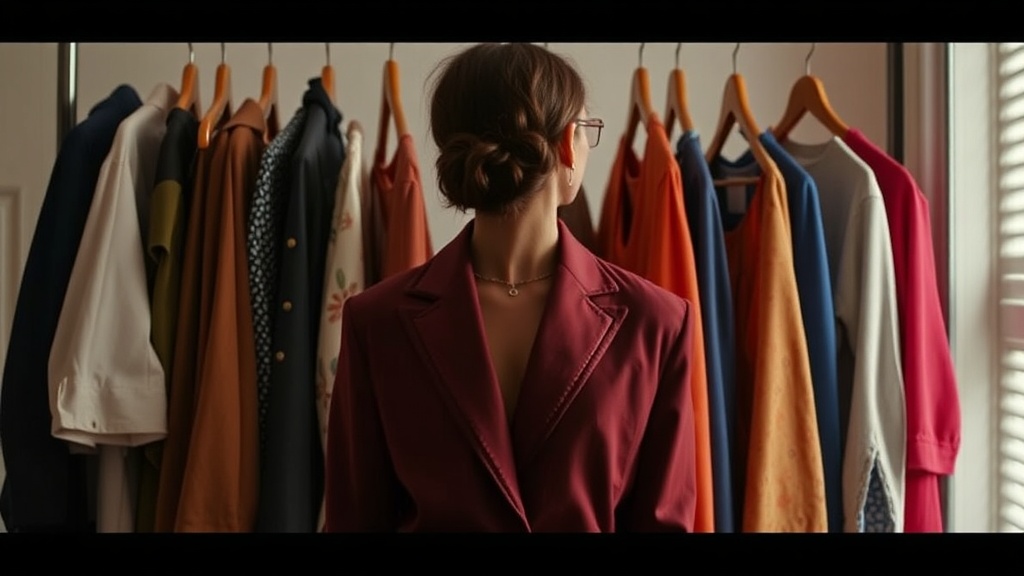
Building a Low-Maintenance Wardrobe That Actually Works

Roughly 80% of the clothes in the average person's closet are rarely worn, according to various retail studies. This massive surplus of fabric doesn't just clutter your bedroom; it creates a constant sense of decision fatigue every single morning. Creating a functional wardrobe isn't about owning more—it's about owning fewer, better things that play well together. This guide covers how to audit your current collection, identify your personal style, and build a rotation of pieces that make getting dressed the easiest part of your day.
How do I find my personal style without following trends?
The biggest mistake people make is trying to mimic a specific aesthetic they saw on a social media feed. Trends change every three weeks, and if you build a wardrobe around them, you'll find yourself with a closet full of "outdated" items by next season. Instead, look at what you already wear when you aren't trying to impress anyone. Do you reach for soft knits? Are you drawn to structured blazers? Identifying your base preferences is the first step toward a cohesive look.
Start by grouping your current clothes into three categories: the "loved" pile, the "maybe" pile, and the "never" pile. If you haven't worn an item in over a year, it shouldn't be taking up space in your active rotation. A successful wardrobe relies on a foundation of high-quality basics. Think of these as your building blocks—white tees, well-fitting denim, and a versatile jacket. When your basics are solid, even a loud, patterned piece feels intentional rather than random.
The Three-Layer Rule for Versatility
A reliable way to ensure your pieces work together is the three-layer approach. This means every new item you buy should be able to work with at least three other items you already own. If you can't visualize a specific pair of trousers working with your favorite sweater and your denim jacket, it’s probably not worth the investment. This mental check prevents the common trap of buying "one-off" items that don't fit into a real-life rotation.
Can a capsule wardrobe really work for a busy lifestyle?
The idea of a capsule wardrobe often gets a bad reputation for being boring or restrictive, but that's a misconception. A capsule isn't about wearing the same outfit every day; it's about ensuring that every item in your closet is functional. When your clothes are high-quality and well-fitted, you spend less time worrying about how you look and more time actually living your life. This is especially helpful for those of us with unpredictable schedules where we might go from a coffee meeting to a casual dinner.
To make this work, focus on a color palette that feels intuitive to you. Most people find success with a neutral base—navy, black, beige, or grey—and then adding pops of color through accessories or seasonal pieces. This makes mixing and matching effortless. You can learn more about sustainable fashion and the impact of clothing consumption at Good On You, which helps you understand the quality and ethics behind different brands.
| Item Type | Investment Level | Versatility Score |
|---|---|---|
| Basic Tee | Low | High |
| Denim | Medium | High |
| Structured Blazer | High | Medium |
| Statement Accessory | Medium | Low |
How much should I spend on high-quality basics?
It's tempting to buy cheap, fast-fashion versions of everything, but the math rarely works out in your favor. A $15 shirt that loses its shape after two washes is much more expensive in the long run than a $45 shirt that lasts three years. When investing, look at the fabric composition. Natural fibers like cotton, linen, silk, and wool tend to breathe better and last longer than synthetic blends. You can check the Vogue archives for historical context on how quality textiles have shaped fashion over the decades.
Don't feel pressured to buy everything at once. A smart way to build a wardrobe is to replace items as they wear out. If your favorite white shirt finally yellows or frays, replace it with a high-quality version rather than a cheap one. This gradual approach keeps your spending manageable and ensures you aren't overwhelmed by a sudden influx of new items. A curated closet is a living thing; it evolves as you do, but the core remains steady and reliable.
Ultimately, the goal is to remove the friction from your morning. When your closet is full of items that fit well and look good together, the "what do I wear?" struggle disappears. You'll find that having less actually gives you more freedom to express yourself without the clutter of a disorganized life.